

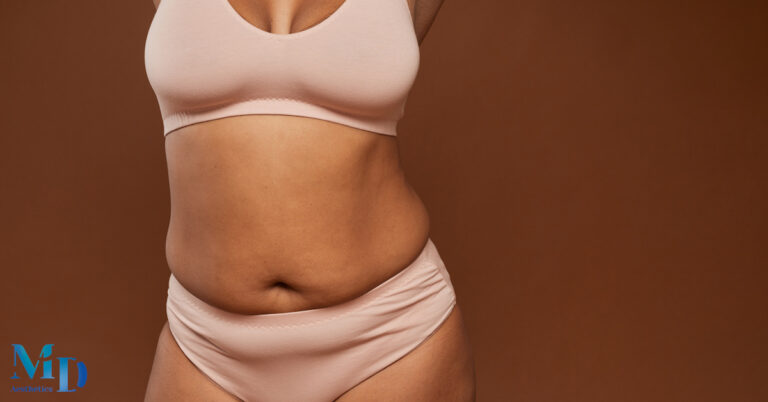
When was the “after” photo taken? This article explains how swelling and scar appearance change during tummy tuck recovery and what to look for when comparing before-and-after photos from clinics in Turkey.
Before-and-after photographs are often among the first materials patients examine when researching abdominal surgery. They can demonstrate changes in skin excess, waist definition and abdominal contour, but they rarely communicate the entire recovery experience. Patients exploring tummy tuck Turkey before and after examples should understand how surgical technique, starting anatomy, swelling and healing influence the appearance of results. A meaningful comparison requires more than looking at two photographs taken at different stages of treatment.
What Can Before-and-After Photographs Actually Show?
Clinical photographs can help illustrate the types of anatomical changes that abdominoplasty may achieve.
Visible differences may include reduced lower abdominal skin folds, a smoother abdominal contour and changes in the relationship between the waist and hips.
Photographs may also demonstrate how the belly button and surgical incision appear after treatment.
However, they cannot fully communicate tissue sensation, physical comfort, postoperative complications or the emotional experience of recovery. They also cannot predict how an individual patient will respond to the same operation.
Photographs should therefore support an informed consultation rather than function as a guarantee of results.
Why Starting Anatomy Influences the Outcome
Patients with similar abdominal concerns may require considerably different surgical approaches.
Someone with moderate skin laxity following pregnancy may have different tissue characteristics from a patient who has experienced massive weight loss. The latter may require longer incisions or treatment extending beyond the front of the abdomen.
Muscle separation, skin thickness, existing scars and fat distribution also influence the achievable contour.
When reviewing examples, patients should look for starting characteristics comparable to their own rather than focusing exclusively on the most dramatic transformations.
How to Compare Surgical Photographs Properly
Several photographic factors can influence the apparent difference between preoperative and postoperative images.
Lighting, camera distance, body posture and viewing angle all affect how the abdomen appears. Clothing and compression garments may conceal scars or temporarily change contour.
A more informative comparison uses similar lighting, positioning and camera angles. Images taken from the front, side and oblique perspectives may provide a broader understanding of the surgical changes.
The date of the postoperative photograph is especially important. An image taken several weeks after treatment represents a different healing stage from one taken after a year.
What Does the Abdomen Look Like Immediately After Surgery?
The removal of excess skin can create an immediate structural change, but the early appearance is affected by surgical swelling.
Patients may notice firmness, bruising, temporary asymmetry and a sensation of tightness. The abdomen can appear more swollen in certain areas than expected.
The incision may look prominent during this period, and patients may temporarily adopt a slightly bent posture because of tissue tension.
These early features should not automatically be interpreted as the final surgical result.
Any unusual or worsening symptoms should be assessed by the surgical team rather than assumed to be part of ordinary healing.
How Results Change During Recovery
Abdominoplasty results develop through several overlapping stages.
The Initial Weeks
Early recovery focuses on wound healing, mobility and management of postoperative discomfort. Swelling can fluctuate throughout the day and may increase following certain activities.
Patients should follow medical instructions regarding walking, garments and movement restrictions.
The abdominal contour may begin to emerge, although considerable tissue swelling can remain.
The Following Months
As swelling gradually decreases, the relationship between the abdomen and waist may become clearer.
The remaining skin continues adapting to its new position, while scar tissue develops and changes in firmness.
Some areas may settle more quickly than others. Differences in healing between the two sides of the abdomen do not necessarily indicate permanent asymmetry.
Longer-Term Healing
Scar maturation and tissue remodeling can continue for a year or longer.
The incision may gradually become flatter and less noticeable, although permanent scarring remains.
Longer-term photographs can provide useful information about contour development, but individual healing patterns still vary.
Will the Belly Button Look Different After a Tummy Tuck?
Full abdominoplasty generally involves creating a new opening in the repositioned abdominal skin for the existing belly button.
Its shape, depth and surrounding scar can therefore contribute significantly to the postoperative appearance.
During early healing, swelling may make the belly button look different from its eventual shape.
Patients reviewing before-and-after photographs should consider belly button appearance alongside overall abdominal contour and scar positioning.
A naturally proportioned result cannot be assessed solely through abdominal flatness.
Understanding Scar Appearance in Before-and-After Images
Abdominoplasty exchanges redundant skin for a permanent surgical scar. The length of this scar depends on the amount of tissue removed and the technique used.
Photographs showing the abdomen in underwear may not reveal the entire incision. Patients should ask to understand the expected scar pattern, including whether an additional vertical incision might be required in more extensive post-weight-loss cases.
Scar pigmentation, width and texture vary according to individual healing.
Smoking, wound tension, infection and genetic characteristics may influence scar development.
Can Abdominal Muscle Tightening Change Waist Definition?
When separation of the abdominal wall contributes to a central bulge, surgical tightening may change the appearance of the midsection.
However, waist width is also influenced by skeletal anatomy, muscle development and fat distribution.
A tummy tuck cannot completely redesign these underlying characteristics. Patients should avoid expecting an identical waist-to-hip ratio based on another person’s photographs.
An appropriate treatment plan should account for natural anatomical limitations.
Maintaining Results After Abdominoplasty
The removal of excess skin can provide lasting structural improvement, but the body continues to change following surgery.
Substantial weight gain may stretch the remaining tissues, while further weight loss may lead to renewed laxity. Pregnancy can also affect abdominal wall support and skin tension.
Maintaining a relatively stable weight can help preserve the postoperative contour.
Patients should also recognize that natural aging continues regardless of surgical treatment.
Looking Beyond the Photographs
Before-and-after examples are most useful when interpreted alongside information about surgical techniques, scars, complications and recovery timelines.
Patients researching results in Istanbul can review the educational treatment information available from MD Aesthetics Istanbul as part of their wider assessment. Rather than expecting to reproduce another patient’s outcome, individuals should discuss what can realistically be achieved with their own anatomy and understand that meaningful surgical evaluation extends well beyond photographs.
