

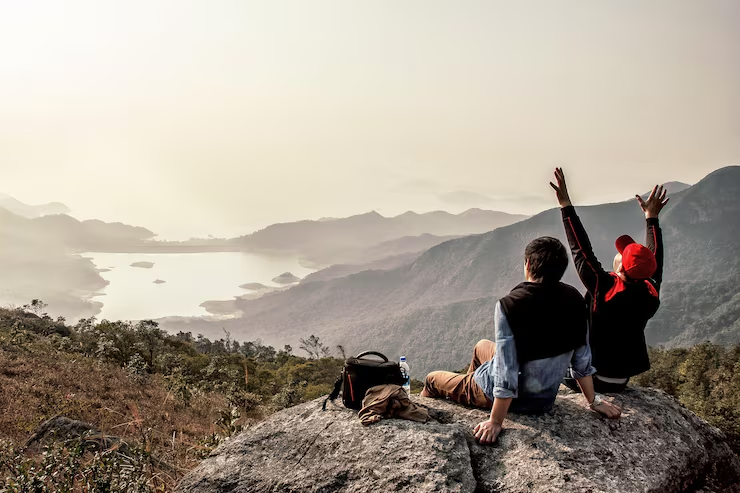
Weekend adventures sound simple until real life arrives with forgotten gear, bad route choices, late starts, and that one friend who packs like they expect both a picnic and a natural disaster. A good outdoor trip does not require perfection, but it does require a plan. The better the plan, the more freedom you get once you head outside. That is how a weekend turns into a reset instead of a mildly scenic argument.
Start With the Right Goal, Not the Most Impressive One
A lot of outdoor trips fail before they begin because the goal does not match the group. People choose a route that looks dramatic online, then realize halfway through that enthusiasm is not the same thing as fitness, timing, or preparation.
Pick a trip that fits your experience, weather window, and available daylight. It also helps to recognize that many people who enjoy sporting rifles (like the BSR47 rifle), fishing, backpacking, or trail running understand the same truth: good days outdoors come from preparation and respect for conditions, not from ego. Ambition is useful. Delusion weighs more in a backpack.
Check Conditions Before You Leave
Trail conditions can change quickly. Weather can shift. Road access can close. Water crossings can become a problem. Snow can linger where your optimistic social feed insists it does not exist.
Check recent reports, maps, weather, and access details before the trip. Do not assume last month’s information still applies. Know sunset time. Know temperature swings. Know whether permits, parking passes, or seasonal closures affect your plan. Ten minutes of research can save hours of frustration and prevent the classic outdoor moment where someone says, “I thought it would be fine.”
Pack for Function, Not Fantasy
Packing gets weird fast. Some people bring too little. Others bring enough gear to support a small expedition and possibly a film crew. A smart weekend setup focuses on function.
Pack layers, water, food, navigation tools, light, a basic first-aid kit, and weather-appropriate shelter if needed. Test gear before the trip when possible. A stove still in its packaging does not count as preparation. Neither do brand-new boots with zero break-in time. Your pack should support the trip you are taking, not the fantasy version where you become an outdoor legend by lunch.
Build in Margin
One of the best planning habits involves margin. Leave earlier than you think you need to. Pack a little more water than the ideal estimate. Choose a route with a backup option. Assume transitions will take longer than planned.
Margin reduces stress and improves safety. It gives you room to handle delays without turning every minor issue into a crisis. Outdoor trips rarely collapse because of one massive event. More often, they unravel through small problems stacking up while the clock keeps moving. Margin interrupts that pattern.
Food and Water Deserve More Respect
People underestimate food and water constantly. Hunger makes tempers shorter, decisions worse, and energy levels drop hard. Dehydration does the same, except with more headaches and less charm.
Bring enough water for the route and conditions, plus a way to refill or filter if appropriate. Pack food that stays simple, durable, and easy to eat on the move. Weekend adventure cuisine does not need to impress a chef. It needs to keep people fueled and functional. Nothing ends the romance of the outdoors faster than low blood sugar and a granola bar that tastes like compressed disappointment.
Match the Pace to the Group
A trip succeeds when the group moves at a pace that keeps everyone included and safe. That means stronger hikers may need patience, while newer hikers need honesty about ability and comfort.
Set expectations early. How far will you go? How much elevation will you gain? How often will you stop? What time will you turn around, no matter what? Clear communication solves a lot. It also prevents the quiet resentment that builds when half the group wants a relaxed outing and the other half behaves like they are training for selection.
Learn the Route Even If You Have a Phone
Phones help, but they should support knowledge, not replace it. Learn key junctions, landmarks, water points, exit routes, and turnaround spots before the trip. Download maps in advance. Carry a paper map if the terrain or remoteness justifies it.
The goal is simple: if your battery dies, you should still know enough to think clearly and move safely. Outdoor confidence comes from layered systems, not blind trust in one glowing device that also contains your music and three hundred screenshots you forgot to delete.
Respect Weather and Turnaround Times
Outdoor optimism can drift into nonsense if people ignore weather or refuse to turn around on time. Conditions do not care how far you drove or how badly you wanted the summit photo. A good adventure plan includes clear decision points.
Set a turnaround time and follow it. If weather deteriorates, adjust fast. If someone struggles, reassess without drama. The outdoors rewards humility far more than stubbornness. A smart retreat today often leads to a better trip next weekend. A reckless push can ruin much more than one day.
Leave the Place Better Than You Found It
Outdoor planning should include stewardship, not just logistics. Pack out trash. Stay on trail where appropriate. Respect wildlife. Use established campsites when possible. Keep fires within rules and common sense. If nature gave you a beautiful place to visit, do not repay the favor by acting like a careless tenant.
This mindset improves the trip too. People who pay attention to impact usually pay better attention overall. Care creates awareness, and awareness improves decision-making across the board.
The Best Trips Feel Simple for a Reason
A smooth weekend adventure often looks easy from the outside. That ease usually comes from good planning, not luck. Someone checked the route. Someone watched the weather. Someone packed thoughtfully. Someone built margin into the day.
That structure frees the group to enjoy the trail, the views, the camp, and the quiet moments that make outdoor time memorable. Planning does not reduce adventure. It protects it. Without a plan, even a beautiful weekend can unravel into logistics and regret.
Conclusion
A good weekend adventure does not demand expert status, elite gear, or heroic suffering. It asks for realism, preparation, and a little humility. Choose the right goal, respect conditions, pack with purpose, and leave enough margin for real life to stay real. Do that, and your trip has a much better chance to feel like a reset instead of a lesson you did not want to pay for.
