

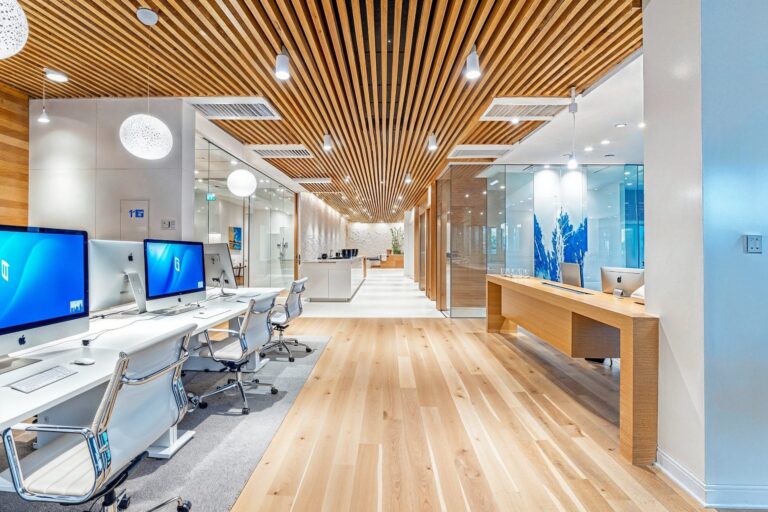
Toronto stands as one of North America’s most dynamic business hubs, home to a diverse mix of industries ranging from finance and technology to retail and hospitality. In such a competitive environment, the design of a commercial space plays a critical role in shaping brand identity, improving productivity, and enhancing customer experience. Commercial interior design in Toronto is more than just aesthetics; it is about creating environments that work efficiently while leaving a lasting impression.
The Importance of Commercial Interior Design
A well-designed commercial space influences how employees perform and how customers perceive a business. Whether it’s an office, retail store, restaurant, or corporate headquarters, interior design directly impacts functionality and atmosphere.
For businesses in Toronto, where competition is high and first impressions matter, investing in thoughtful interior design can lead to better engagement, stronger branding, and improved workflow. From lighting and layout to materials and furniture, every element contributes to the overall experience. Also you can check this Interior Designers Toronto Ontario
Understanding the Toronto Design Landscape
Toronto’s commercial design scene reflects its multicultural population and modern urban lifestyle. Spaces often combine global design influences with local sensibilities, resulting in interiors that are both innovative and practical.
Downtown areas tend to favor sleek, contemporary designs with open layouts, while other parts of the city may incorporate more traditional or industrial elements. Designers in Toronto must also consider building regulations, accessibility standards, and sustainability requirements, all of which play a role in shaping the final outcome.
Key Elements of Effective Commercial Interior Design
Successful commercial interior design in Toronto is built on several essential components:
1. Space Planning and Layout
Efficient use of space is crucial, especially in urban settings where square footage is limited. Designers carefully plan layouts to ensure smooth movement, maximize usability, and support business operations.
2. Lighting Design
Lighting affects mood, productivity, and visual appeal. Natural light is often prioritized, complemented by artificial lighting that enhances functionality and highlights key areas.
3. Material Selection
Durable and high-quality materials are essential for commercial spaces. Designers choose finishes that can withstand heavy use while maintaining a polished look.
4. Branding and Identity
Interior design should reflect a company’s brand. Colors, textures, and design elements are used strategically to communicate values and create a cohesive identity.
5. Comfort and Ergonomics
In workplaces, ergonomic furniture and thoughtful layouts improve employee well-being and productivity. Comfort is equally important in customer-facing environments.
Types of Commercial Spaces in Toronto
Commercial interior design covers a wide range of environments, each with unique requirements:
Office Spaces
Modern offices in Toronto focus on flexibility and collaboration. Open-plan layouts, breakout areas, and quiet zones are commonly integrated to support different work styles.
Retail Stores
Retail design emphasizes customer experience. Strategic layouts guide foot traffic, while visual displays attract attention and encourage purchases.
Restaurants and Cafés
Hospitality design combines ambiance with functionality. Seating arrangements, lighting, and décor all contribute to creating a memorable dining experience.
Healthcare Facilities
Designing medical spaces requires attention to hygiene, accessibility, and patient comfort. Calming colors and efficient layouts are often used.
Corporate and Institutional Spaces
These environments prioritize professionalism and efficiency while maintaining a welcoming atmosphere for clients and visitors.
The Design Process
Commercial interior design projects in Toronto typically follow a structured process:
Initial Consultation
The designer meets with the client to understand business goals, brand identity, and functional needs.
Concept Development
Design concepts are created using sketches, mood boards, and digital renderings to visualize the space.
Design Planning
Detailed plans are developed, including layouts, materials, furniture, and lighting specifications.
Execution
The design is implemented with coordination between contractors, suppliers, and project managers.
Final Styling and Handover
The space is completed with finishing touches, ensuring everything aligns with the original vision.
Trends in Commercial Interior Design Toronto
The commercial design landscape in Toronto continues to evolve, influenced by technology, sustainability, and changing work habits. Some key trends include:
Sustainable Design Practices
Businesses are increasingly prioritizing eco-friendly materials, energy-efficient systems, and sustainable construction methods.
Hybrid Workspaces
With the rise of remote work, offices are designed to accommodate both in-person and virtual collaboration.
Biophilic Design
Incorporating natural elements such as plants, wood, and natural light helps create healthier and more inviting environments.
Technology Integration
Smart systems for lighting, climate control, and security are becoming standard in modern commercial spaces.
Flexible and Multi-Use Spaces
Designers are creating adaptable environments that can serve multiple functions, maximizing efficiency.
Benefits of Professional Commercial Interior Design
Hiring experienced designers offers several advantages:
- Improved Efficiency: Optimized layouts enhance workflow and productivity.
- Stronger Brand Image: A well-designed space reinforces brand identity.
- Enhanced Customer Experience: Thoughtful design attracts and retains clients.
- Long-Term Value: Quality design reduces the need for frequent updates or repairs.
Challenges in Commercial Interior Design
Designing commercial spaces in Toronto comes with its own set of challenges:
Limited Space
Urban environments often require creative solutions to make the most of smaller areas.
Regulatory Requirements
Building codes, safety standards, and accessibility regulations must be strictly followed.
Budget Constraints
Balancing design goals with financial limitations requires careful planning.
Tight Timelines
Businesses often need projects completed quickly to minimize downtime.
Tips for Choosing the Right Design Approach
If you’re planning a commercial interior design project in Toronto, consider the following:
Understand Your Business Needs
Define how the space will be used and what goals it should achieve.
Prioritize Functionality
A visually appealing space must also be practical and efficient.
Focus on Branding
Ensure the design reflects your company’s identity and values.
Plan for the Future
Choose flexible designs that can adapt to changing needs.
Collaborate Effectively
Maintain clear communication with your design team throughout the project.
The Future of Commercial Interior Design in Toronto
As Toronto continues to grow, commercial interior design will play an even greater role in shaping the city’s business environment. Innovations in technology, sustainability, and workplace culture will drive new design approaches.
Future spaces are likely to be more adaptable, environmentally conscious, and digitally integrated. Designers will continue to explore ways to create environments that support both productivity and well-being, ensuring businesses remain competitive in an ever-changing landscape.
Conclusion
Commercial interior design in Toronto is a powerful tool for businesses looking to stand out and succeed. By combining creativity with functionality, designers create spaces that not only look impressive but also support daily operations and long-term goals.
Whether you’re designing an office, retail store, or hospitality venue, investing in professional interior design can transform your space into an environment that inspires employees, attracts customers, and reflects your brand identity. In a city as vibrant and competitive as Toronto, the right design can make all the difference.
