

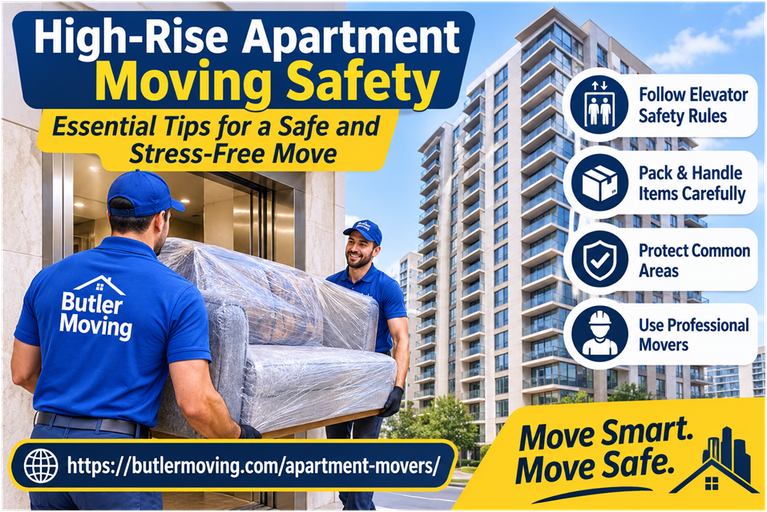
Moving from a high-rise apartment requires more planning and attention than relocating from a ground-floor home. When an apartment is located on the seventh floor or higher, residents face additional challenges involving elevators, staircases, heavy furniture, building regulations, and the safe transportation of personal belongings. Without proper preparation, these challenges can lead to damaged property, physical injuries, and unexpected delays.
One of the biggest concerns during a high-rise relocation is moving large household items through limited spaces. Sofas, refrigerators, beds, wardrobes, and other bulky furniture may not easily fit through apartment doors or standard elevators. Furthermore, carrying heavy objects over long distances increases the risk of accidents and physical strain. Understanding these challenges before moving day can make the entire experience safer and more manageable.
Hiring experienced professionals is an important step toward avoiding unnecessary complications. Residents planning a high-floor relocation can explore https://butlermoving.com/apartment-movers/ to learn about professional apartment moving assistance. Experienced movers understand the logistical requirements of apartment buildings and use appropriate equipment and handling techniques to protect belongings throughout the relocation process.
Why Moving From the Seventh Floor or Higher Requires Extra Planning
High-rise buildings create specific moving challenges because residents depend heavily on shared facilities and designated transportation routes. Unlike ground-level properties, where furniture can often be carried directly outside, high-floor apartments require coordination with building management and elevator schedules.
For example, moving from the tenth or fifteenth floor may involve several elevator trips. Limited elevator availability, restricted moving hours, and loading-area regulations can increase the time required to complete the relocation.
There is also a greater need to protect common areas and maintain clear emergency access. Proper planning helps prevent disruptions for other residents while ensuring that furniture and personal belongings reach the moving vehicle safely.
1. Prioritize Elevator Safety
Elevators are among the most important considerations when relocating from a high-rise apartment. Before moving day, contact building management to determine whether a service elevator is available and whether advance reservations are necessary.
Check the elevator’s weight capacity and interior dimensions before transporting large furniture or appliances. Never overload an elevator or attempt to force oversized objects through its doors.
Protective padding should also be installed where permitted to prevent scratches and damage to elevator walls, floors, and doors. Scheduling elevator access in advance can reduce waiting times and make transportation more organized.
2. Transport Heavy Furniture With Proper Equipment
Moving heavy furniture through narrow hallways and elevators requires appropriate lifting techniques and equipment. Refrigerators, washing machines, wardrobes, and sectional sofas can be particularly difficult to handle.
Before transportation, remove detachable furniture components, secure loose drawers, and wrap delicate surfaces with protective blankets. Professional moving equipment, such as furniture dollies, lifting straps, and moving carts, can make handling bulky belongings safer.
Avoid attempting to carry extremely heavy objects without assistance. Incorrect lifting techniques can cause back injuries, muscle strains, and accidents. A coordinated moving team can distribute weight more effectively and reduce unnecessary physical effort.
3. Keep Staircases and Emergency Exits Clear
Although elevators are generally preferred, staircases may become necessary when elevators are unavailable or furniture cannot fit inside them.
High-rise staircases can be narrow and difficult to navigate with large objects. Moving teams should plan the transportation route carefully and maintain clear visibility while carrying furniture.
Never leave boxes, packing materials, or furniture in emergency exits and stairwells. These areas must remain accessible to building occupants throughout the moving process.
4. Pack Fragile Belongings Securely
Proper packing protects household possessions and reduces the likelihood of accidents during transportation. Glassware, mirrors, electronics, decorative items, and kitchen appliances require additional cushioning.
Use strong boxes, quality packing tape, bubble wrap, and suitable protective materials. Place heavier objects in smaller containers to make them easier to lift and carry.
Clearly label fragile boxes so that movers can handle them appropriately. Avoid stacking heavy containers over delicate belongings, particularly during loading and unloading.
5. Pay Attention to Windows and Balconies
High-rise apartments often feature balconies and large windows that require special attention during relocation. Attempting to lower furniture or appliances from balconies using ropes or improvised equipment can create serious hazards for pedestrians and people below.
Keep windows and balcony doors secured while furniture is being moved. If an oversized item cannot pass through the entrance or elevator, consult professional movers about suitable specialist lifting equipment and approved transportation methods.
Safety should always take priority over convenience or saving time.
6. Protect Walls, Floors, and Shared Spaces
Moving furniture through apartment corridors can cause scratches, dents, and other property damage. Hallway walls, flooring, elevator interiors, and entrance frames are particularly vulnerable.
Use floor runners, corner guards, and protective furniture blankets wherever appropriate. Residents should also check building policies regarding loading docks, parking arrangements, and approved moving hours.
Keeping shared spaces clean and unobstructed helps maintain a safe environment for everyone in the building.
Why Should You Hire Professional Movers for a High-Rise Relocation?
Hiring professional movers can make a significant difference when relocating from the seventh floor or above. Their experience and equipment help address challenges that may otherwise become difficult for residents to manage independently.
1. Experience With Complex Apartment Moves
Professional moving teams understand the logistical requirements of high-rise buildings. They can coordinate elevator access, plan transportation routes, and prepare for restricted entrances or narrow hallways.
2. Appropriate Equipment and Handling Techniques
Experienced movers use specialized equipment to transport heavy furniture and appliances. Proper lifting methods and protective materials help reduce the risk of injuries and accidental damage.
3. Better Protection for Valuable Belongings
Professional packing and loading techniques help protect fragile possessions, electronics, furniture, and household appliances. Residents should discuss available protection options and insurance coverage before confirming a booking.
4. Reduced Physical Stress
Moving heavy belongings without assistance can be exhausting and potentially dangerous. Professional movers take responsibility for demanding transportation tasks, allowing residents to concentrate on other relocation arrangements.
5. Improved Time Management
Coordinating elevator reservations, loading schedules, and multiple transportation trips can be complicated. An experienced moving company can organize these activities more efficiently and help minimize unnecessary delays.
Essential Preparation Checklist Before Moving Day
A little preparation can prevent many common problems during a high-rise relocation. Consider completing these important tasks before the moving team arrives:
- Contact building management about moving policies.
- Reserve the service elevator if required.
- Confirm approved moving hours and loading arrangements.
- Measure furniture, doorways, hallways, and elevator dimensions.
- Pack fragile belongings using suitable protective materials.
- Separate important documents and personal essentials.
- Inform the moving company about your apartment’s floor number.
- Confirm equipment availability and insurance arrangements.
- Keep stairways and emergency exits completely clear.
Completing these steps early can make moving day more organized and reduce the likelihood of unexpected complications.
Final Thoughts
Moving from a high-rise apartment on the seventh floor or higher requires careful coordination, suitable equipment, and responsible handling. Elevators, heavy furniture, fragile belongings, staircases, and shared building facilities all deserve additional attention.
Although some residents may consider managing the relocation independently, professional assistance can significantly reduce physical strain and logistical difficulties. Experienced apartment movers bring the knowledge and equipment needed to handle challenging transportation routes while helping protect valuable possessions.
Ultimately, a successful high-rise relocation is about more than transporting belongings to a new address. It is about protecting people, property, and personal possessions throughout every stage of the moving process.
