

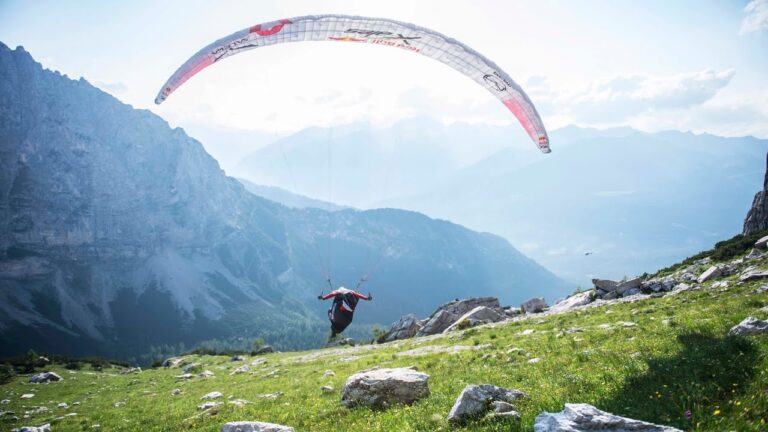
There’s nothing more exhilarating for a traveling adventurer than paragliding over the Alps. Valleys that stretch for miles, cliffs that drop into lakes and rise to meet snow capped mountains, the scenery is cinematic – and from the skies, seemingly unrealistic. For those who live for the thrill, nothing beats the feeling of your feet leaving the ground and, without a sound, ascending into the atmosphere, with nothing but wind and thermals carrying you away. Whether it is your first time in the air or you’re an experienced paraglider, the Alps create a dreamlike ambiance, accompanied by professional instructors and reputable take-off points, transformed each flight into a different yet equally unforgettable experience. This guide will explain why paragliding in the Alps is one of the most thrilling, easiest and memorable experiences you’ll ever have.
The Alps Are One of the Greatest Paragliding Regions in the World
The Alps are a world-class paragliding destination for some of the best terrain and weather. From deep valleys and serrated ridgelines to vast grassy takeoff areas and adequate thermals, the Alps boast everything from long, smooth flights to dramatic elevation changes for the lift needed for an extended stay in the air. Transport from Turin to Cervinia resorts is often mentioned by adventure travelers planning their journeys into the heart of the mountains, especially when combining paragliding with visits to high-altitude Alpine zones. As if that weren’t enough, there is breathtaking scenery as well – travelers can float above turquoise lakes, glide just past a glacier’s edge or along a mountain’s steep face all the way up Mont Blanc, the Eiger or beyond to the Dolomites. With so much space to fly and even more takeoff areas nestled in diverse ecosystems, it’s easy to see why the Alps attract anyone with a passion for air-based exploration to experience it for themselves.
Paragliding Is Accessible to All with Tandem Flights
One of the easiest ways to ensure paragliding in the Alps is popular is because it is accessible for anyone without any experience. Tandem flights are great for novices because they are led by certified guides/instructors who do all the work while passengers passively enjoy themselves. All it takes is a brief lesson about navigating in the air and taking a running start for the takeoff and the passenger is soon seated and soaring without worry as their instructor handles their descent while they marvel at the views. Tandem flights can last anywhere from a quick 10-minute jaunt around a mountain to an extended hour or longer flight lifted on thermals up and around. Some pilots even offer added stunts for those looking for an adrenaline burst while in flight. However, with unparalleled safety – and paragliding – it’s easy to see how tandem paragliding is one of the most enjoyable things travelers can do while visiting the Alps.
Top Paragliding Locations In and Around the Alps
There are several magical spots in and around the Alps where paragliding is highly recommended. Interlaken, Switzerland, is one of the most famous as travelers can glide above Lake Thun and Lake Brienz or see the stunning Jungfrau massif from above. In France, opt for a tandem ride with views of Mont Blanc; in Austria, visit scenic Stubai Valley to Zell am See for alpine peaks and lakes to create visual contrast; in Italy, peruse the Dolomites which are equally impressive with their rocky spires, defining features against the skies. Not only does each area boast tremendous natural beauty, but the flying conditions are also prime for anyone visiting who wants an experience that aligns with their interests. Smooth or choppy, tranquil or hectic, there’s something for everyone who wants to take advantage of alps-based paragliding.
The Sensation of Flight: Freedom, Silence, and Pure Adrenaline
There’s nothing like the feeling of freedom in the sky while paragliding across the Alps. It starts with taking off; the cliff face or hill you’re taking off from slowly drops beneath your feet, and instead of a fall, it’s a seamless transition into the air. One would think the wind would be exceedingly loud as you fly through it, but it’s quite the opposite. You’re flying through the air peacefully; no sound is generated by an engine. Yet, this silence does not negate the rush. The adrenaline pours in when you fly above mountain ranges, weave in and out of thermals, or float across deep, canyon-like ravines. And because you’re constantly moving, views shift as you go. One moment you’re staring down at a lake, and the next, a forest, a glacier, or a tiny village. Everything comes at you live and in color, and nothing compares to the tranquility yet excitement to which so many travelers remark during their experience. It’s both exhilarating and grounding, one of the best adventures in a perfectly balanced way.
Preparing for Your First Paragliding Experience
As a first-time flyer, preparation is relatively easy to ensure your experience is the most enjoyable. Comfortable clothes and shoes help during your run (takeoff) and landing. You should bring sunglasses and a light jacket for wind conditions once you’re soaring high in the air. Since all technical gear is taken care of by the pilot, passengers need to listen to a brief pre-flight session and instruction to better align themselves with any necessary actions during takeoff and landing. Taking the initial running steps is brief and gentle; on average, a few paces at the most allow your guide to help lift you off the ground in the direction the wind is flowing. Once in the air, you can relax and enjoy as your pilot has complete control over the glider while they remain focused on your comfort (and safety). Any issues regarding safety devices or additional checking for tenets are part of the bargain as paragliding companies across the Alps essentially cover every base; little preparation will require traveler diligence if all goes accordingly.
Safety Standards and Professional Pilots
Safety standards regulate paragliding throughout the Alps as safety precautions are uniform due to regulated pilots, schools, and general weather assessments before any takeoff. Paragliding instructors are world-class trained professionals. National and international guidelines certify those who offer tandem flight experiences as challenge-resilient experts. All weather conditions are checked prior to each flight, assessing wind direction preference for takeoffs, thermal heat for spinning effects during mid-air journeys, and visibility for various maneuvers with passengers in tow. Safety checks for gear – including harnesses, helmets, and reserve parachutes – are routinely given and up to date throughout each paragliding season. A pilot explains how to get in the chair (harness) for tandem flights, how to properly take off (running), and where they’ll want you positioned for landing on solid ground. The safety of all is ensured throughout the experience before it begins – vital for any adventure traveler hoping to relax while enjoying this experience!
Photos and Videos of Your Flight
Many pilots offer packages including pictures and videos of your adventure, as floating high above the Alps is an experience you’ll want to repeat time and time again. Selfie sticks and harness attachments boast action cameras that catch candid reactions and extensive panoramic sweeps. Mid-air still shots capture every aspect of the flight, mountains and valleys an unparalleled view thanks to being airbound rather than purely terrestrial. It’s ultimately a gift for many tourists, as they transport these photos back home to show friends and family, an intimate gesture to show how brave they were with an exhilarating takeoff in the mountains. Therefore, whether you decide to grab clips or snapshots (or both), documenting the flight only adds to the excitement of experiencing it.
Best Time To Travel for Paragliding in the Alps
Seasonality helps dictate your experience when it comes to paragliding in the Alps. The ideal time to go paragliding is during the spring or summer, as these months hold milder temperatures, predictable thermals, and growing vegetation below. When you float on your tandem flight, you want the valleys filled with flowers, not brown grass. From April through October the flights will be longer (weather permitting) as thermals are more enjoyed with warmer air. Autumn is another fantastic time to fly in the Alps, as air quality remains stable and invigorating; however, beautiful foliage creates an exciting golden view from above, something different than summer or winter. And yes, winter paragliding is possible in many regions above snowcapped forests and frozen lakes; however, this will depend on calm conditions, proper clothing and gear for your instructors and shorter flights. When it comes down to it, each season has its beauty – but paragliding peaks in warmth and steady weather when spirits are high.
Paragliding Within a Dynamic Dual-/Multi-Activity Holiday in the Alps
Paragliding fits seamlessly with an overall holiday within the mountains, making it a successful addition among various experiences like hiking, biking, skiing or touring quaint villages. Travelers often plan their morning flights during blue skies and proceed with their day filled with hiking excursions or biking activities. There are even adventure packages that showcase multiple heart-pumping excursions from ziplining to canyoning, climbing to rafting, supporting that paragliding as one component adds elevation – as it’s literally one of the highest perspectives from which you’ll explore these regions. Therefore, whether paragliding is the highlight of your holiday or simply one gem amid many gems, there lies an appreciation for the dynamic advantages and exciting offerings of what the Alps boast!
Why Paragliding in the Alps Is on Everyone’s Bucket List
Paragliding in the Alps is more than an adventure but a once-in-a-lifetime opportunity for breathtaking sights and ultimate freedom. Those amazing mountain views, that peaceful breathing of being up in the air, the thrill of being thousands of feet in the sky – it’s an experience where everyone feels simultaneously alive, vulnerable, present, and connected to nature. Paragliding is catered to sense, awareness, nostalgia. Not all experiences welcome people from all walks of life and ages, but paragliding does. For many travelers, this is the best part of their entire excursion, and they find themselves replaying that initial flight in their head for years to come, either wanting to relive it or challenge themselves to try it again solo.
Why Weather and Wind Patterns Come into Play Before Launching
Weather significantly impacts the paragliding experience throughout the Alps, and understanding simple wind patterns helps travelers realize why certain days and times are best for certain excursions. For example, typically, the mornings are calmer, and they offer smooth, soft flights with gentle air with little disturbance. This is great for travelers who are more inexperienced or those who are risk-averse and just want some time gliding in the air. When the day gets a bit warmer, thermals start to kick in. Thermals are those rising bits of warm air that experienced pilots can use to keep them up in the air longer. While thermals can be used for long-distance travel (as they can bring people up and take them on an intensive journey across mountains), they can also be tricky to navigate if one does not have experience. Furthermore, wind direction matters as well. Each site has a specific takeoff and landing requirement due to the surrounding geography. It’s a constant push and pull from professionals wanting to ensure every adventure can happen in the safest possible experience with conditions taken into consideration at all times. Therefore, with weather, travelers can appreciate what’s going on since it’s more than one-on-one access to a guide but also guided self-awareness in achieving the ultimate experience.
Making the Most of Your Paragliding Adventure in the Alps
To make it even more special, I’d say a sense of preparation and curiosity throughout the experience will make these seemingly small moments more meaningful. Arriving early at the launch site, for instance, means you can get settled, watch other gliders take off, appreciate the atmosphere, and relish in the moment at hand. If you’re curious enough to engage with your pilot – asking questions about the best vantage points, flight paths, or local wildlife along the way – you’ll make the experience extra special and almost educational. Ensure you wear layers to stay comfortable as well as staying hydrated to prepare for what’s to come. Remember, if you’re going high up into the mountains, it will be much colder than on the ground. Even after you land, take time to explore the village or mountain area in which you find yourself – as it will help appreciate the experience even more to reflect and enjoy the sights of the special town or region in which you find yourself. Whether it’s enjoying a hot cup of cocoa at a mountain hut or appreciating the quiet hour of silence for yourself, it will deepen the emotional response for this chapter of your travels.
