

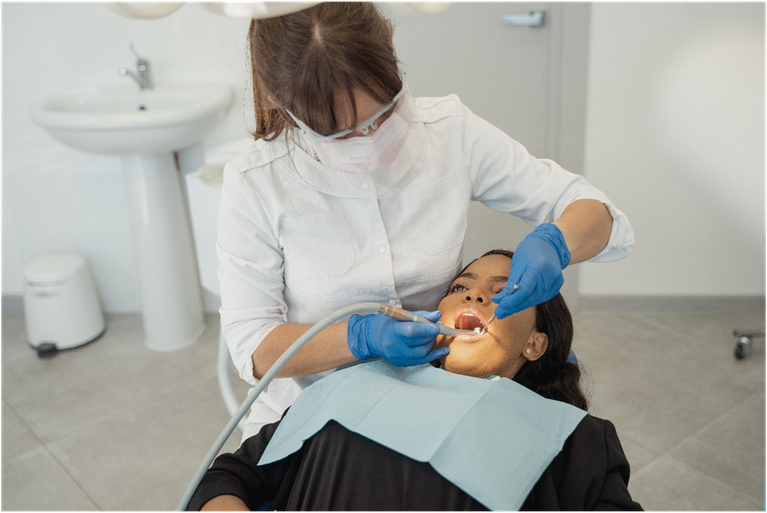
Article Overview
- How skipping routine cleanings leads to expensive procedures like root canals or extractions.
- Why oral health directly impacts overall physical wellness, balance, and systemic health.
- How specialized care and temperature-sensitive medical technology safeguard your health.
- Why preventive dental hygiene acts as the ultimate “smile insurance.”
When managing a monthly household budget, routine dental appointments can sometimes feel like an optional expense. It is easy to assume that if your teeth do not hurt, everything is fine. However, waiting until you feel pain before visiting a dental clinic is one of the most expensive financial mistakes you can make.
Routine professional teeth cleanings act as a proactive safety net—a form of “smile insurance” that keeps both your mouth and your bank account healthy. Investing a small amount in prevention today prevents massive financial and physical distress tomorrow.
Why Is Dental Hygiene Important for Preventing Severe Toothaches?
Tooth decay and gum disease rarely happen overnight. They are gradual processes driven by plaque—a sticky, invisible film of bacteria that constantly forms on your teeth. When plaque is not thoroughly removed through daily brushing, flossing, and regular dental checkups, it hardens into tartar (calculus).
Once tartar forms, it cannot be brushed away at home; only a professional dental hygienist using specialized tools can remove it. Left unchecked, the bacteria in tartar produce acids that eat through enamel, causing cavities. If a cavity goes untreated, it eventually reaches the delicate inner nerves of the tooth, resulting in excruciating pain and severe infection. A routine cleaning stops this chain reaction at its source, removing bacteria long before it can cause structural damage or intense discomfort.
How Much Does a Toothache Cost Compared to a Teeth Cleaning?
The financial contrast between preventive care and emergency intervention is staggering. A standard professional teeth cleaning and examination typically costs a modest, predictable fee—one that is frequently covered entirely or largely by basic dental insurance plans.
In contrast, ignoring routine checkups until a severe toothache strikes leads to emergency dental fees, complex diagnostics, and invasive procedures. Treating a deep infection usually requires a root canal and a full coverage crown, costing thousands of dollars. In worst-case scenarios where a tooth cannot be saved, extraction followed by an implant or bridge can cost even more.
If pain strikes suddenly outside regular clinic hours, seeking out, say, thisemergency dentist in Brampton, becomes an immediate priority to relieve unbearable agony, but it comes at a significantly higher total cost than a year’s worth of simple cleanings.
How Does Oral Health Affect the Rest of Your Body?
Your mouth does not exist in isolation; it is the primary gateway to the rest of your body. Poor oral hygiene allows harmful bacteria to enter your bloodstream through inflamed gums, contributing to systemic issues such as cardiovascular disease, diabetes complications, and respiratory infections.
Maintaining physical wellness requires a holistic approach. Just as structural body misalignments might requirecustom orthotics in Toronto to protect joint health and posture, routine dental hygiene protects your body from chronic, low-grade inflammatory stress. Taking care of your mouth is an essential component of taking care of your entire physical frame.
How Do Medical Innovations Support Dental and Health Clinics?
Behind every successful dental office or healthcare facility is advanced medical technology that keeps treatments safe, effective, and reliable. From digital imaging devices that catch hidden cavities to specialized cold-storage equipment like anice-lined refrigerator used to safely preserve temperature-sensitive pharmaceuticals and vaccines, modern medicine relies on precise prevention tools.
Just as clinics invest in reliable technology to protect patient health, individuals must invest in preventive habits to avoid crisis-driven interventions.
Is Preventive Dental Care Worth the Investment?
The decision to schedule regular teeth cleanings ultimately comes down to value. Paying a predictable, manageable fee twice a year for professional cleanings guarantees peace of mind, fresh breath, and a bright smile. More importantly, it shields you from the unexpected financial shock and physical agony of an advanced toothache.
Treat preventive dental appointments as a fundamental investment in your overall quality of life—because keeping your natural teeth healthy is always cheaper than fixing a crisis.
