

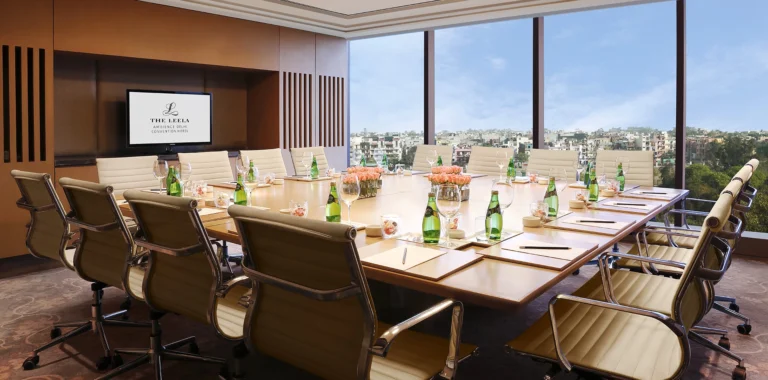
In today’s fast-paced business world, the environment where meetings, seminars, and corporate events take place plays a crucial role in determining their success. Among the many venue options available, hotel conference rooms have emerged as one of the most preferred choices for organizations of all sizes. They offer a unique blend of professionalism, convenience, and hospitality that traditional office spaces or standalone event halls often struggle to match.
This article explores why hotel conference rooms have become essential for modern businesses, what makes them effective, and how they continue to evolve in a competitive corporate landscape.
The Rise of Hotel Conference Rooms in the Business World
The concept of hosting business meetings in hotels is not new, but its popularity has significantly increased in the last decade. With globalization, remote teams, and hybrid work models becoming the norm, companies frequently need neutral, well-equipped venues for collaboration.
Hotel conference rooms offer exactly that professional space outside the daily distractions of the office. Whether it’s a board meeting, product launch, training session, or international conference, hotels provide the infrastructure and services needed to support seamless business operations.You can also check this best italian restaurant in dubai
Why Businesses Prefer Hotel Conference Rooms
There are several reasons why organizations consistently choose hotel conference rooms over other venues:
1. Convenience and Accessibility
Hotels are typically located in central business districts or near transportation hubs such as airports and train stations. This makes it easier for attendees traveling from different cities or countries to reach the venue without hassle.
2. All-in-One Facilities
One of the biggest advantages is the availability of integrated services. Hotel conference rooms often come with:
- High-speed internet
- Audio-visual equipment
- Projectors and LED screens
- Video conferencing tools
- Catering services
- On-site technical support
This eliminates the need to coordinate multiple vendors.
3. Professional Ambiance
First impressions matter in business. A well-designed hotel conference room creates an atmosphere of professionalism and credibility. It helps set the tone for productive discussions and meaningful networking.
4. Accommodation for Guests
For multi-day events, hotels offer the added benefit of accommodation. Attendees can stay on-site, reducing travel fatigue and improving participation rates. You can check this also Arabic night theme
Types of Hotel Conference Rooms
Hotels typically offer different types of meeting spaces depending on the nature of the event:
Boardrooms
Ideal for small executive meetings, boardrooms are designed for focused discussions and decision-making. They usually feature a large central table and seating for 10–20 people.
Conference Halls
These are larger spaces suitable for seminars, corporate events, and training sessions. They can accommodate dozens or even hundreds of participants.
Banquet-Style Rooms
Often used for corporate dinners, award ceremonies, or networking events, banquet rooms combine formal seating with dining arrangements.
Hybrid Meeting Spaces
With the rise of virtual meetings, many hotels now offer hybrid-ready conference rooms equipped with live streaming and video conferencing technology.
Key Features That Make Hotel Conference Rooms Effective
Modern hotel conference rooms are designed with productivity and comfort in mind. Some essential features include:
Advanced Technology Integration
From wireless presentation systems to AI-powered conferencing tools, technology is at the heart of modern hotel meeting spaces. Seamless connectivity ensures smooth communication between in-person and remote participants.
Flexible Layouts
Hotels often allow customization of room setups whether theater-style, classroom-style, U-shape, or boardroom arrangements. This flexibility helps tailor the environment to specific event needs.
Professional Support Staff
Dedicated event coordinators and technical teams assist with setup, troubleshooting, and coordination, allowing organizers to focus entirely on content delivery.
Catering and Refreshments
Breaks are essential for long meetings. Hotels provide customized catering options, from coffee breaks to full-course meals, enhancing attendee satisfaction.
The Role of Hotel Conference Rooms in Corporate Branding
A well-organized event in a premium hotel conference room can significantly enhance a company’s brand image. Clients, partners, and employees perceive such events as well-planned and professional.
Moreover, hosting conferences in reputable hotels reflects positively on a company’s financial strength and attention to detail. It creates a lasting impression that can strengthen business relationships.
Cost Considerations: Are Hotel Conference Rooms Worth It?
While hotel conference rooms may seem expensive compared to office meeting spaces, they often provide better overall value. When factoring in equipment rental, catering, staffing, and logistics, hotels can actually be more cost-efficient.
Additionally, the time saved in planning and coordination is invaluable for businesses that prioritize efficiency.
Trends Shaping the Future of Hotel Conference Rooms
The demand for hotel conference rooms continues to evolve, influenced by technological and cultural shifts in the workplace.
1. Hybrid Work Integration
Hotels are increasingly investing in hybrid meeting technologies that allow seamless interaction between physical and virtual attendees.
2. Sustainability Practices
Eco-friendly conference rooms with energy-efficient lighting, reduced paper usage, and sustainable catering options are gaining popularity.
3. Smart Conference Rooms
Automation is transforming the experience. Smart lighting, voice-controlled systems, and AI-assisted scheduling are becoming more common.
4. Personalized Experiences
Hotels now focus on customizing conference experiences based on client needs, including branding, room décor, and tailored menus.
Choosing the Right Hotel Conference Room
Selecting the right venue requires careful consideration. Businesses should evaluate:
- Location and accessibility
- Room capacity and layout options
- Technology and equipment availability
- Cost and package inclusions
- Reviews and reputation of the hotel
- Quality of service and support staff
Visiting the venue beforehand can also help ensure it meets expectations.
Conclusion
Hotel conference rooms have become an indispensable part of modern business infrastructure. They offer a perfect balance of professionalism, convenience, and hospitality, making them ideal for a wide range of corporate events.
As businesses continue to adapt to hybrid work environments and global collaboration, the role of hotel conference rooms will only become more important. With ongoing innovations in technology and service delivery, they are set to remain a cornerstone of successful business communication and networking for years to come.
