

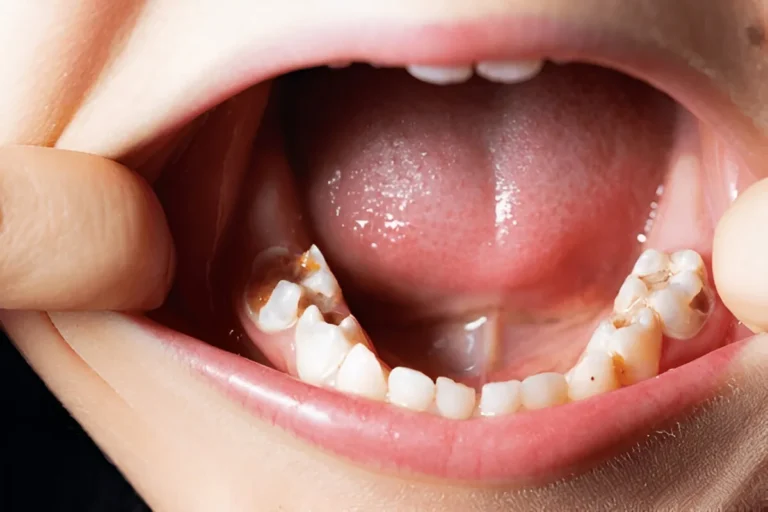
While most people consider teeth disassociated from the rest of their body—they’re something we brush twice daily and visit the dentist for once a year—teeth and gums are often sending signals that something in the body isn’t right. Unfortunately, many of these signs are overlooked and interventional care isn’t provided until it’s too late, and a simple dental concern becomes much more complicated.
Yellowing teeth, sensitivity, bleeding gums, and other signs of dental distress sometimes aren’t just dental problems, but rather, they’re the first blatant signs of a body-wide concern. From nutritional deficiencies to autoimmune issues, knowing what your body is telling you through its mouth can be the difference between coming to an early solution before drastic complications unfold.
When Yellow Teeth Aren’t a Result of Too Much Coffee
There’s a reason why all good dentists tell their patients that coffee, tea and red wine will cause staining. But when yellowing teeth become an overwhelming force that cannot be treated by a professional cleaning or whitening treatment, it could be symptomatic of something greater and hidden from plain sight.
Intrinsic staining is when certain medications discolor teeth from the inside; antibiotics like tetracycline have been notorious for this due to use during childhood—but what many people don’t realize is that extreme coloring can also indicate underlying problems with the liver. Poor liver function yields colored compounds that the eyes are not used to registering on teeth. Even some metabolic diseases impact teeth differently with regard to mineralization.
If your teeth are looking more yellow with age, even if you’re not a big coffee drinker, it might be time for a closer look. Experts offering the best professional teeth whitening in London can determine whether the staining is linked to a health concern before suggesting dental whitening.
Bleeding Gums and Heart Disease
Many individuals consider bleeding gums nothing out of the ordinary; they just need to floss better. And while, yes, gum disease typically manifests from poor dental hygiene, it’s important to note that gum disease is linked to blood and heart disease more than anyone realizes.
The bacteria that cause gum inflammation do not just dissipate in the mouth; they enter the bloodstream through bleeding gums. In fact, studies show that arterial inflammation and plaque are compounded by gum disease bacteria. The risk of heart attack and stroke is higher for people with severe gum disease.
Gum disease occurs gradually; first there might be slight bleeding when brushing. Then, gums manifest red, swollen hues instead of pink in good condition. When discomfort occurs from loose teeth after neglect, it’s too late—and the cardiovascular system has already taken the hit as well.
If your gums bleed every time you brush—even when being careful—this is NOT normal. This is inflammation, and inflammation is an issue for the entire body.
Tooth Grinding and Teeth Stress-Related Issues
Ever find yourself waking up and experiencing jaw pain or less tooth? If so, that’s bruxism—which is often an unconscious physical response to stress.
While your teeth grinding against each other brings ultimate dental consequences like broken teeth, jaw malfunctions and enamel wear, it’s also a huge red flag for how much stress someone operates under—and over time, stress can impact sleep deprivation, blood pressure and overall quality of life.
Those who grind teeth tend to have disrupted sleep patterns which lead to weakened immune systems and weight gain. Their mouths are often subjected to cankers sores, dry mouth and burning sensations of the tongue.
When There’s Sudden Sensitivity of Teeth
Sensitivity often develops overnight or quickly when too many hot/cold foods impact the same area too quickly—and that’s not good for enamel.
But sudden sensitivity isn’t always about eroding enamel. It can signal nutritional problems. Calcium and vitamin D deficiencies exacerbate problems related to bone density, a shift that impacts teeth as they’re made from accessible minerals in one’s body over time.
When deficiencies occur in calcium as there is none in a person’s diet intake, the body will take calcium from one’s bones or teeth to make up for deficit numbers in the bloodstream. This leaves teeth sensitive and vulnerable. Vitamin B deficiencies make themselves known in your mouth; cracks at the corners of the mouth or a swollen tongue indicates poor intake of B vitamins; iron deficiency presents with pale gums and a sore, smooth tongue.
When Your Mouth Is Dry for No Reason
Persistent dry mouth isn’t as big of a deal as some think; in fact, it’s often linked to much bigger health concerns. For example, diabetes is one big concern—dry mouth arises thanks to blood glucose regulation which interferes with salivary production. Many people do not learn they’re diabetic or pre-diabetic until mentioning dry mouth to their dentist.
Specific autoimmune conditions like Sjögren’s syndrome directly attack those glands which create moisture—this condition comes with dry eyes, as well. Other medications offer this as a side effect—from antidepressants to blood pressure medication to antihistamines.
It’s not just a pain where saliva helps maintain bacteria along with preventing cavities; it’s also detrimental to harden decay because there’s nothing left to prevent its onset. Chronic dry mouth needs medical help.
Sores In The Mouth That Don’t Heal
It’s normal for most people to develop mouth sores here and there (and they typically heal on their own within one or two weeks). When however those sores take longer than three weeks to alleviate it’s time to see a professional—they could be vitamin deficiencies or autoimmune concerns.
In rarer cases, these sores can lead to oral cancers. Mouth sores during celiac disease are often precursors—or sores are flu symptoms compounded by nutritional deficiencies. Some individuals present oral symptoms for food sensitivities without even knowing they have them!
Oral leukoplakia (white patches) can be precancerous for smokers; red patches are even riskier. These warrants medical consultation versus home observation!
What This Means For Your Health
What this means is that there exists a mouth-body connection which occurs bi-directionally; poor oral health leads to more systemic health problems down the line; systemic health problems result in oral symptoms along the way.
Therefore it’s essential for trained dentists to spot these warning signs at professional dental appointments.
When patients go for professional dental care, the aspect beyond dental cleaning is truly an examination component of someone looking for signs that cross over into diabetes, heart disease, nutritional issues and autoimmune concerns.
How To Take Action With Signs
These red flags—red flags that can either be connected or something completely different—remain signs not worth ignoring when something lingers over time. One incident of bleeding gums resulting from an accidental too-close brushing isn’t an emergency; bleeding gums every time one brushes for multiple days (especially if flossing beforehand didn’t happen) is an issue.
A sensitivity condition that develops gradually over years due to constant exposure is less concerning than one that happens overnight from nothing seemingly intense.
It’s time to consider changes—teeth appearing different out of nowhere (especially if they never fell out), gums’ colors changing textures, persistent bad breath despite no known bacteria concern—and this isn’t something patients should panic over but rather seek evaluation for adult-onset considerations over childhood fades.
Ultimately your teeth warn you about what’s inside your body—but these signs may be some of the first clues before anything reveals itself outside. A professionally dental assessment can help catch these before it’s too late—as it may even save your heart health (through gum disease prevention) as much as it may prevent irreparable damage from nutritional deficiencies inside the mouth through early intervention.
