

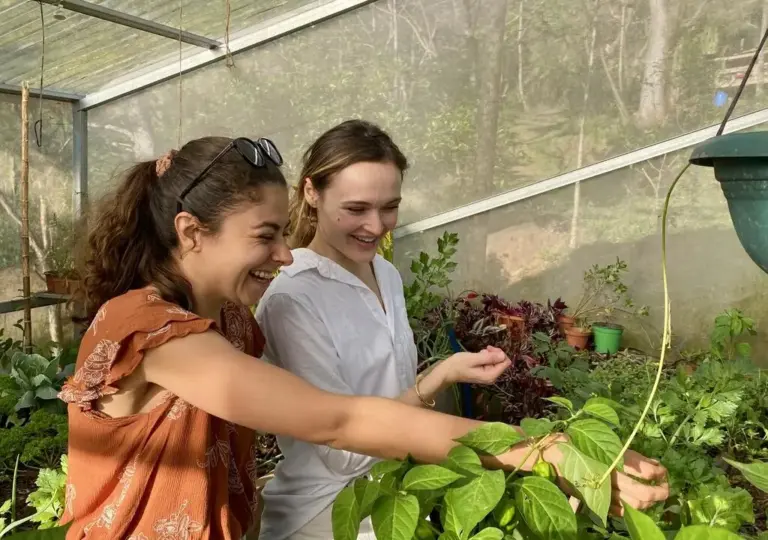
Costa Rica is widely admired for its beautiful rainforests, welcoming communities, diverse wildlife, and commitment to environmental protection. Beyond its appeal as a travel destination, the country offers opportunities for people who want to contribute to meaningful community initiatives while discovering a different culture. volunteering in costa rica provides an opportunity to participate in educational activities, environmental projects, community development, and wildlife conservation while gaining a deeper understanding of local traditions and everyday life. For international travelers, this experience can combine personal growth with responsible participation in projects that support local priorities.
What Makes Costa Rica an Interesting Destination for Volunteer Work?
Costa Rica offers a distinctive combination of natural environments, cultural traditions, and community-based initiatives. Its rainforests, coastal regions, national parks, and local neighborhoods create opportunities for different types of volunteer activities.
The country is also recognized for its environmental awareness and interest in sustainable development. International participants can learn how communities approach conservation, education, and social responsibility.
Another important attraction is the welcoming nature of local communities. Volunteers have opportunities to interact with residents, understand everyday customs, practice Spanish, and develop meaningful connections beyond conventional tourism.
Rather than simply visiting popular attractions, participants can become more involved in the destination and appreciate the importance of contributing respectfully to local initiatives.
What Types of Volunteer Opportunities Are Available in Costa Rica?
Volunteer opportunities can accommodate different interests, educational backgrounds, and personal abilities. Understanding the available project categories helps participants identify an experience that matches their goals.
Can Volunteers Participate in Environmental Conservation?
Environmental conservation is an important area of volunteer activity in Costa Rica. The country’s natural ecosystems provide opportunities to support initiatives focused on protecting biodiversity and maintaining healthy environments.
Depending on project requirements, volunteers may assist with habitat restoration, environmental education, community awareness activities, or conservation-related research support.
Are There Opportunities to Support Education?
Educational volunteering provides another meaningful way to contribute. Some community initiatives involve supporting language-learning activities, classroom assistance, educational games, and informal learning opportunities.
Volunteers with strong communication skills may help learners practice conversational English under the direction of local educators.
How Can Volunteers Contribute to Community Development?
Community development projects focus on activities that strengthen local organizations and improve everyday opportunities for residents.
Depending on the program, volunteers may assist with community activities, organize educational resources, support local initiatives, or participate in projects designed to encourage social inclusion.
These activities demonstrate that meaningful contributions do not always require specialized professional experience. Reliability, enthusiasm, cultural sensitivity, and a willingness to learn can be equally important.
Who Can Join a Volunteer Program in Costa Rica?
Volunteer programs can attract students, graduates, working professionals, career changers, and individuals interested in international experiences.
Some projects welcome beginners, while others may require specific qualifications, language abilities, or relevant experience.
Students may find volunteering useful for exploring career interests and gaining practical exposure to environmental studies, education, or community development.
Do Volunteers Need to Speak Spanish?
Spanish is the primary language of Costa Rica, so learning basic expressions can make everyday communication easier.
However, complete fluency is not necessarily required for every volunteer opportunity. Some programs provide guidance and introduce participants to useful vocabulary before they begin their activities.
Learning Spanish can improve interactions with community members, help volunteers understand instructions, and make ordinary experiences more rewarding.
How Should Travelers Prepare Before Arriving in Costa Rica?
Preparation plays an important role in making an international volunteer experience successful. Participants should research their destination, understand program expectations, and organize essential travel documents before departure.
Visa requirements can vary depending on nationality, travel history, and the intended length and purpose of the visit. Participants should verify their individual circumstances with the appropriate Costa Rican authorities before traveling.
It is also helpful to research local transportation options. Public buses, authorized taxis, private transfers, and rental vehicles may be available depending on the destination. People comparing transportation arrangements may encounter unrelated searches such as rent to own cars, but short-term volunteer travel generally requires a practical assessment of local transport rather than vehicle ownership.
Where Can Volunteers Experience Costa Rican Culture?
Costa Rica offers different environments where international participants can experience local traditions and lifestyles.
San José provides an opportunity to explore urban culture, museums, local markets, educational institutions, and community activities. Its university district and surrounding neighborhoods offer opportunities to interact with residents and practice Spanish.
What Are the Benefits of Volunteering Abroad?
International volunteering can provide benefits that extend beyond the immediate project experience.
One important advantage is cultural awareness. Living and working in another country encourages participants to understand different perspectives and reconsider assumptions about everyday life.
Volunteering can also strengthen practical skills. Communication, problem-solving, adaptability, teamwork, and time management are valuable abilities that can develop through participation in community activities.
Another benefit is personal confidence. Navigating unfamiliar environments, communicating across language differences, and accepting new responsibilities can encourage independence.
Participants may also establish international friendships and professional connections. These relationships can create lasting opportunities for cultural learning and future collaboration.
However, the experience should not be viewed simply as a way to enhance a résumé. Its central purpose should be respectful participation in projects that respond to genuine community needs.
How Can Volunteers Make Their Contributions Responsible and Meaningful?
Responsible volunteering begins with understanding the priorities of the communities involved.
Participants should follow project instructions, respect local leadership, and recognize that community development requires long-term commitment. Short-term volunteers should avoid making promises they cannot fulfill or assuming that their approach is automatically better than established local practices.
It is equally important to respect privacy, particularly when working with children, vulnerable individuals, or wildlife. Photographs and personal stories should only be shared with appropriate permission.
Is Accommodation Available for International Volunteers?
Accommodation arrangements depend on the selected program and destination.
Some volunteer experiences offer homestays with local families, while others may provide shared residences or alternative accommodation arrangements.
Living with a host family can be particularly valuable for people interested in cultural immersion. Participants may experience traditional meals, everyday conversations, local customs, and family routines.
Shared accommodation can provide opportunities to meet other international volunteers and exchange experiences.
How Can Participants Choose the Right Volunteer Program?
Selecting an appropriate program requires more than choosing an attractive destination. Participants should examine the purpose of the project, its local partnerships, and the responsibilities expected of volunteers.
Useful questions include:
- Does the project address an identified community need?
- Are local organizations involved in planning and supervision?
- Are volunteer responsibilities clearly explained?
- Is suitable training or orientation provided?
- Are accommodation and transportation arrangements communicated clearly?
- Does the program follow appropriate safeguarding and environmental practices?
Comparing these details helps travelers make informed decisions and select opportunities that match their interests and abilities.
Organizations offering structured international programs can also help participants understand destination choices, project expectations, accommodation, and arrival arrangements.
What Should Volunteers Expect During Their First Few Days?
The beginning of an international volunteer experience often involves orientation and adjustment.
Participants may receive information about local customs, transportation, safety procedures, project schedules, and workplace expectations.
Meeting program coordinators and other volunteers can make the transition easier. It is also an opportunity to ask questions and clarify responsibilities before beginning project activities.
Adjusting to unfamiliar food, weather, communication styles, and daily routines may require patience. Maintaining an open mind and showing respect for local practices can make this period more comfortable.
Volunteers should remember that meaningful participation develops gradually. Listening, observing, and learning are just as important as completing assigned activities.
Can Volunteering in Costa Rica Become a Life-Changing Experience?
An international volunteer experience can influence how people understand communities, cultures, and environmental responsibility.
Working alongside local organizations introduces participants to challenges and opportunities that are not always visible during ordinary vacations. It can encourage greater appreciation for collaboration, sustainability, education, and social development.
